


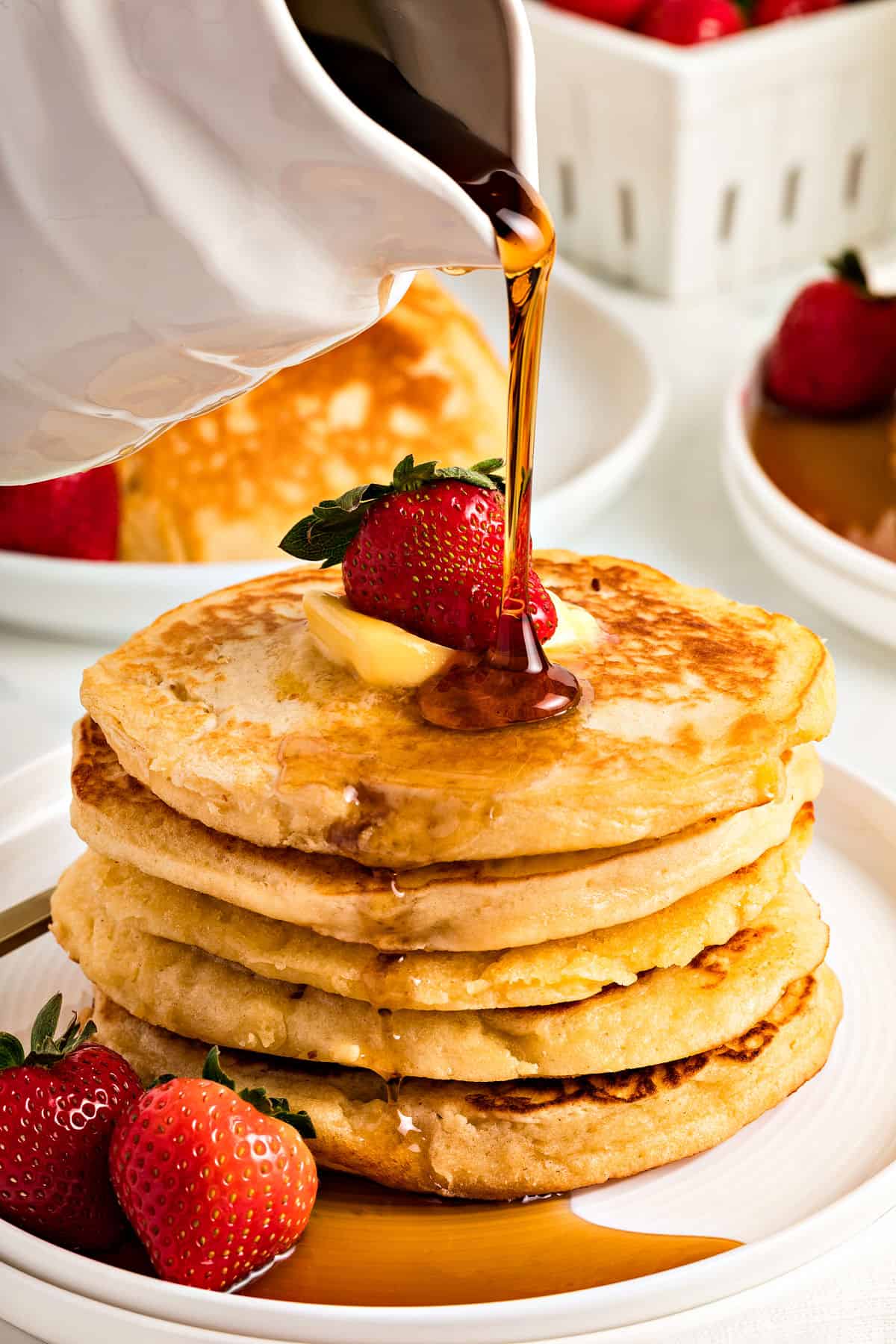
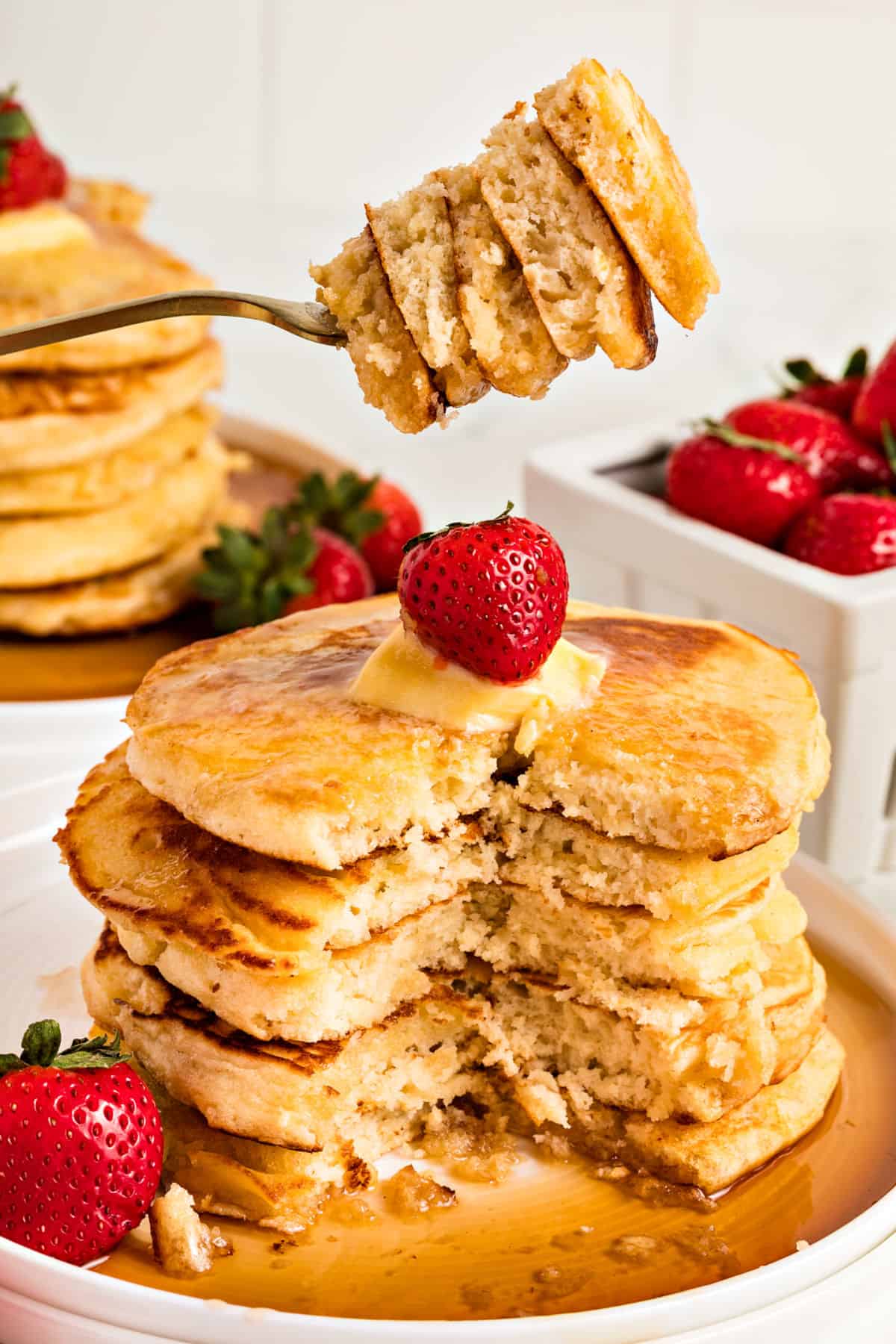
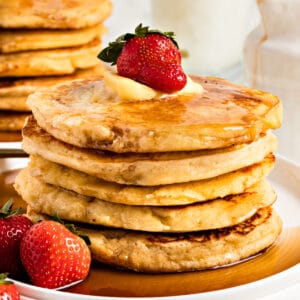
Light, almost custardy in the center (when not overcooked), with slightly crisp edges and a richness that comes from the cheese rather than from extra butter or cream. Ricotta cheese adds a unique pancake texture due to its characteristic grainy appearance, which doesn't create tough pancakes; quite the opposite. They're creamy and soft, with a slight hint of sweetness and pair well with most of your favorite toppings.
Unique pancakes
If you've only ever eaten standard buttermilk pancakes, ricotta cheese pancakes are going to feel like a small revelation. They're not trying to be fluffier or taller versions of the same thing; they're a genuinely different texture altogether. Just like these cornmeal pancakes, which play their own game.
They're just a little more interesting than traditional pancakes without being complicated.
This Italian cheese doesn't make them taste cheesy. It gives them a tender texture and a rich bite that feels a bit more special than your everyday stack.
The key to understanding these hotcakes is that the creamy ricotta isn't just a substitution for something else. It's doing structural work. It adds moisture and fat, yes, but it also disrupts gluten development in a way that makes the finished pancake tender without being gummy or dense.
Experiment with different toppings: I love a dab of butter and drowning them in maple syrup, but sometimes fancy them up for a special brunch by adding a simple blueberry sauce, bowls of whipped cream and fresh berries, or this quick and popular, old-fashioned strawberry topping.
FAQ
Yes, but I recommend no more than a few hours, as it starts to lose fluffiness. But for the best results, cook the pancakes fresh.
Do ricotta pancakes taste like cheese?
No. The ricotta adds richness and moisture, not a strong cheese flavor. They taste like a softer, creamier pancake.
Overmixing the batter can lead to dense pancakes. Gently fold the ingredients together and stop as soon as they are *just* combined to maintain a light and soft texture. You don't want a completely smooth batter; a few lumps (besides the grainy ricotta) are fine and help with fluffiness.
Lemon zest and a teaspoon of lemon juice are classic and very popular. I like it with a touch of vanilla also. Orange zest, or even a touch of almond extract, also works beautifully.
Testing notes
Don't overmix: avoid overmixing the batter; a few lumps are okay. Overmixing can lead to dense pancakes, activating gluten development in the batter.
Let the batter rest: allow the batter to rest before cooking; this helps the ingredients meld and the flour to hydrate more, contributing to a better texture and flavor.
Make consistently sized pancakes: Use a large cookie spoon or measuring cup (I use ¼ cup) to pour the batter onto the griddle, allowing for even cooking and a visually appealing stack of hotcakes.
Be patient: resist the urge to flip the pancakes too soon. Wait for bubbles to form on the surface before flipping to ensure a beautifully cooked and tender interior.
Prevent pancakes from sticking by using a pancake skillet or griddle. They have a non-stick coating that will help with this issue. That said, coat the pan lightly with butter before pouring the pancake batter. It also adds flavor.
Type of ricotta to use
- Fresh ricotta: it can be from a local cheese shop or store-bought. Any fresh ricotta works well for the flavor and creaminess of pancakes. I buy it mostly at the supermarket.
- Low-fat ricotta: you can use it for a healthier option without compromising too much on texture or flavor.
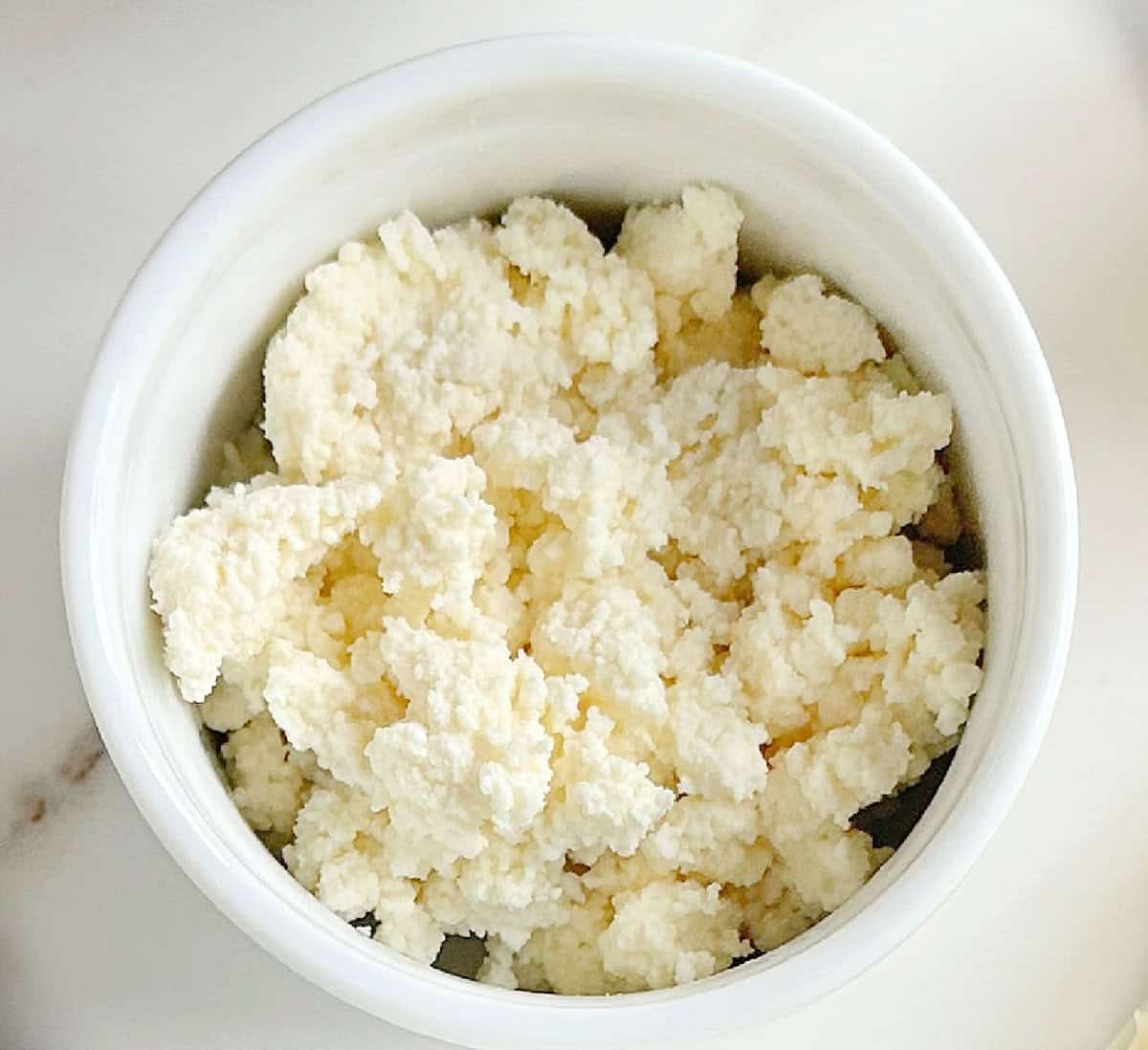
- Texture of the ricotta: I like it grainier as I think it's part of the essence of this Italian cheese, but you can use smooth ricotta for a creamier consistency in the pancakes by processing it briefly.
How to make ricotta cheese pancakes
The key is to stir the batter until well integrated, but not overmix or beat it!
Sift dry ingredients
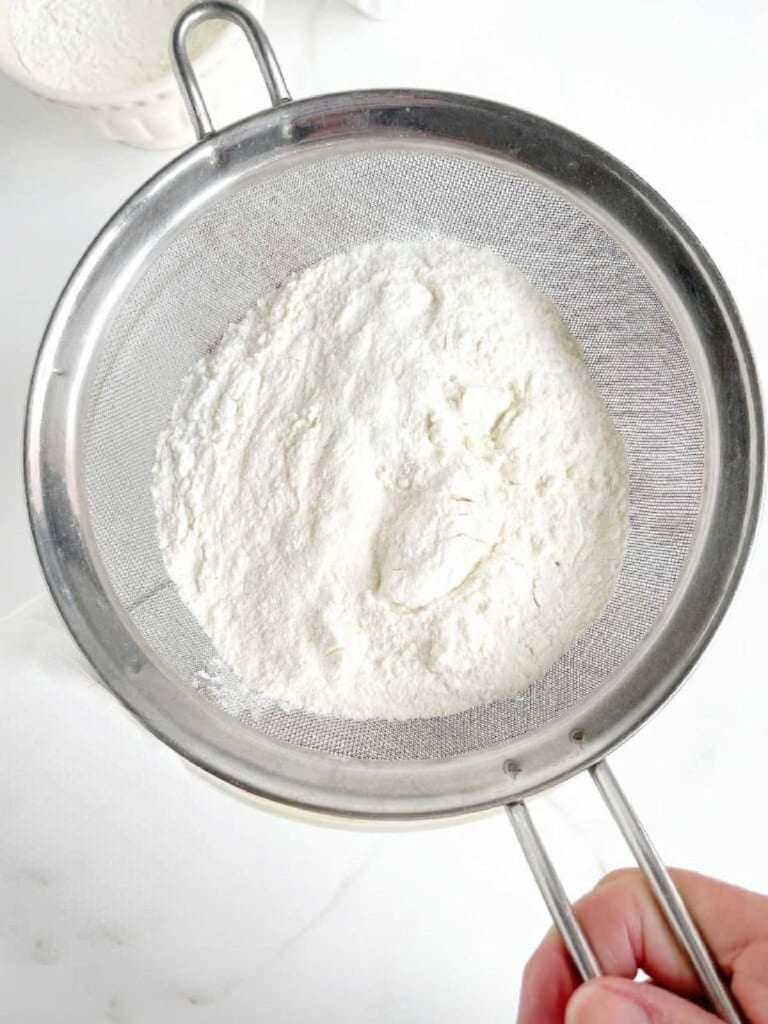
Sift the flour mixture in a mixing bowl first to avoid impurities and clumped bits. Then add the sugar and stir until incorporated before adding the wet ingredients.
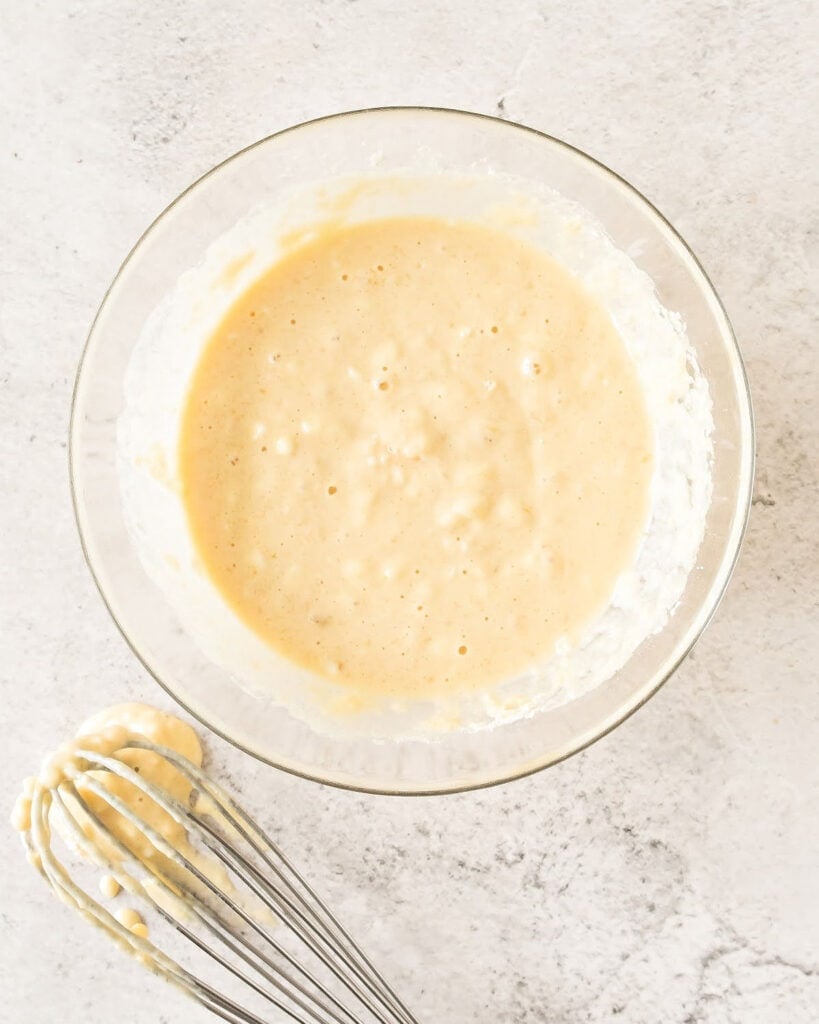
Final pancake batter
Don't beat or overmix when combining the two preparations!
A few lumps are fine, and not only because you're using ricotta cheese; they will help get light and fluffy pancakes. Don't make it a completely smooth batter.
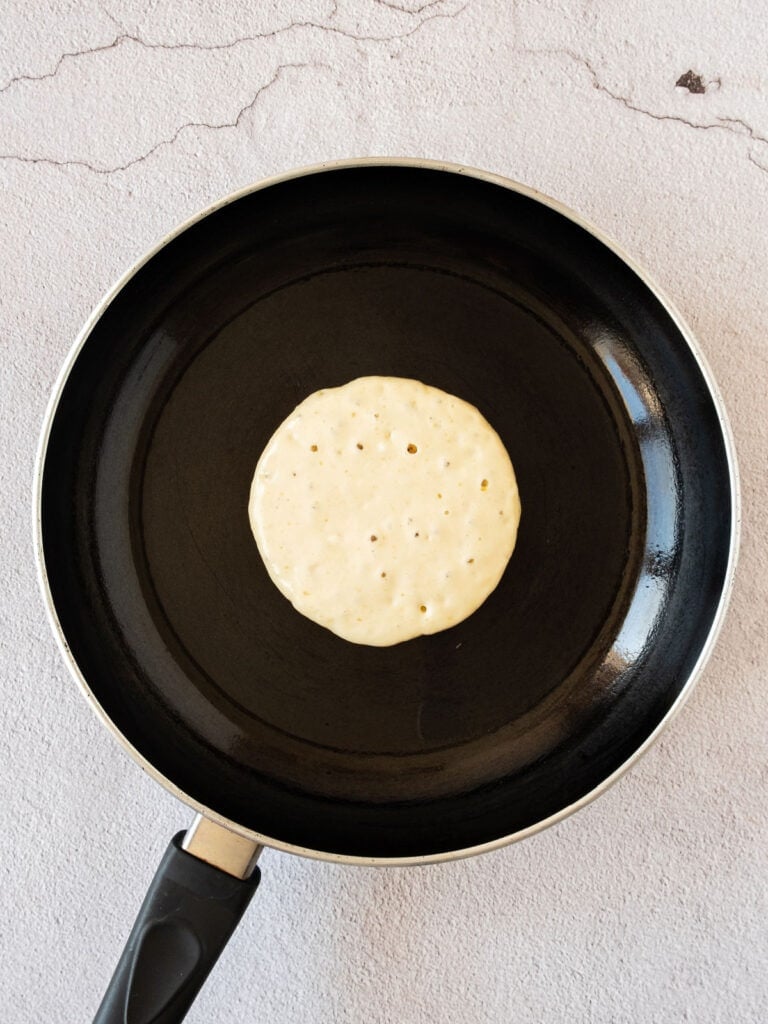
Cooking
Preheat the griddle, use medium heat and wait until you see bubbles and the edges are starting to dry before flipping. Otherwise, you'll have spilled pancake batter.
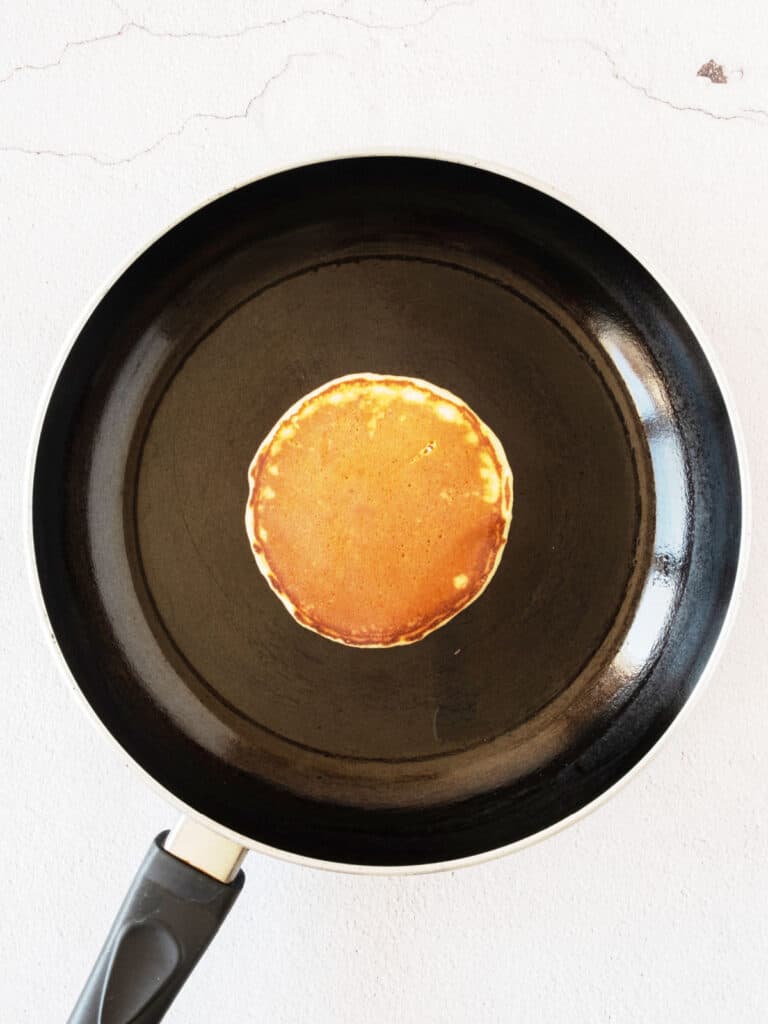
Flipping
Adjust the heat as needed, so your pancakes are golden brown but not burned in places when you flip them. I recommend you make a trial run if it's your first time.
Storing pancakes
- Prep: Ensure your pancakes have cooled completely before transferring them to an airtight container. Use parchment paper to separate each layer and prevent sticking.
- Refrigerate: after allowing them to cool and separate with parchment paper, put them in an airtight container and refrigerate for 2 to 3 days.
- Freezing: For longer storage, wrap in plastic and place in a sealed freezer bag or freezer-safe container. They keep well for 1 month, maybe more.
- Reheating: When ready to eat, reheat using a toaster or the oven. You can use the microwave, but I don't like it, as it softens them too much, and the texture is sometimes rubbery.
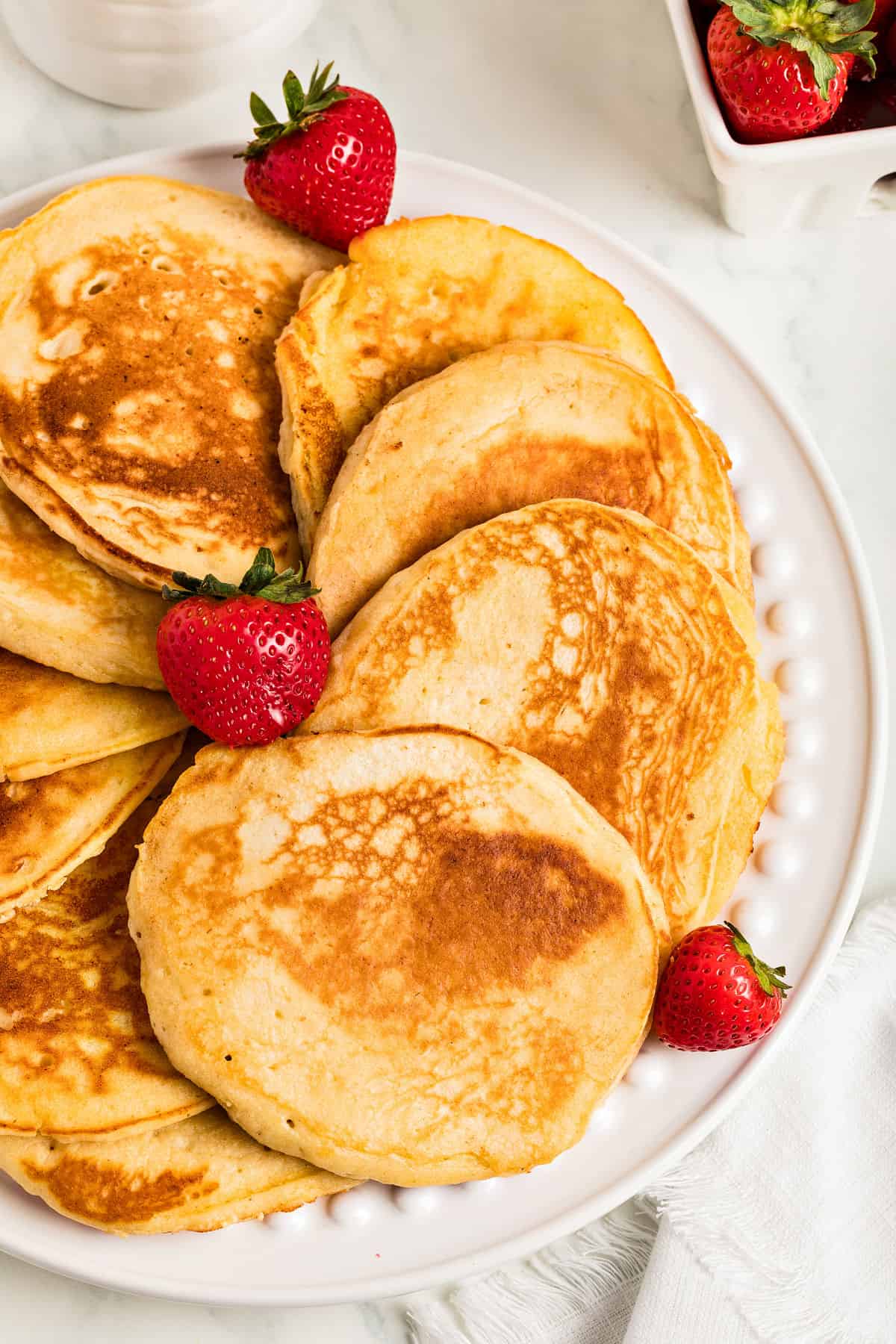
If you made this recipe and loved it, you can comment below and leave a 5-star ⭐️ review. Also, if you had issues, let me know so we can troubleshoot together.
You can also subscribe to our FREE email series 'Baking the Best' and our regular newsletter. Or follow and save my recipes on Pinterest.
As an Amazon Associate, I earn from qualifying purchases. Read my disclosure policy.
Soft Ricotta Pancakes (old-fashioned style)
Ingredients
Dry ingredients:
- 1 ⅓ cups all-purpose flour
- 2 ½ teaspoons baking powder
- ½ teaspoon salt
- ¼ cup sugar
Wet ingredients:
- 4.5 ounces whole milk ricotta, at room temperature
- 2 large eggs, at room temperature
- ¾ cup milk, at room temperature
- ½ teaspoon vanilla extract
- 1 tablespoon unsalted butter, melted
- extra unsalted butter, for cooking and serving
- maple syrup and fruit, for serving
Instructions
- In a medium bowl, sift 1 ⅓ cups all-purpose flour, 2 ½ teaspoons baking powder and ½ teaspoon salt. Add ¼ cup sugar and stir to mix.
- In a separate bowl, lightly stir 4.5 ounces whole milk ricotta, 2 large eggs, ¾ cup milk, ½ teaspoon vanilla extract and 1 tablespoon unsalted butter, melted. Don't beat, but integrate well. There will be lumps from the ricotta.
- Add the wet ingredients to the dry ones, stirring with a whisk, fork, spoon or spatula just until it integrates. Don't beat or whisk energetically. It will be textured, and that is fine.
- Let the batter stand for 10 minutes.
- Place a pancake griddle or non-stick skillet over medium-low heat. Add a dab of extra unsalted butter and let it melt.
- Using a ¼ cup measure, pour pancake batter and cook until bubbles appear on one side. The surface might be shinier, and the bubbles not as formed as with regular pancakes. Flip when the edges start to dry, about 2-3 minutes, and cook for a minute or two longer or until done. The time depends on the size, griddle material and heat level.
- Serve immediately with a dab of butter and maple syrup and fruit, or your favorite sauce or topping.

Rate and review this recipe