
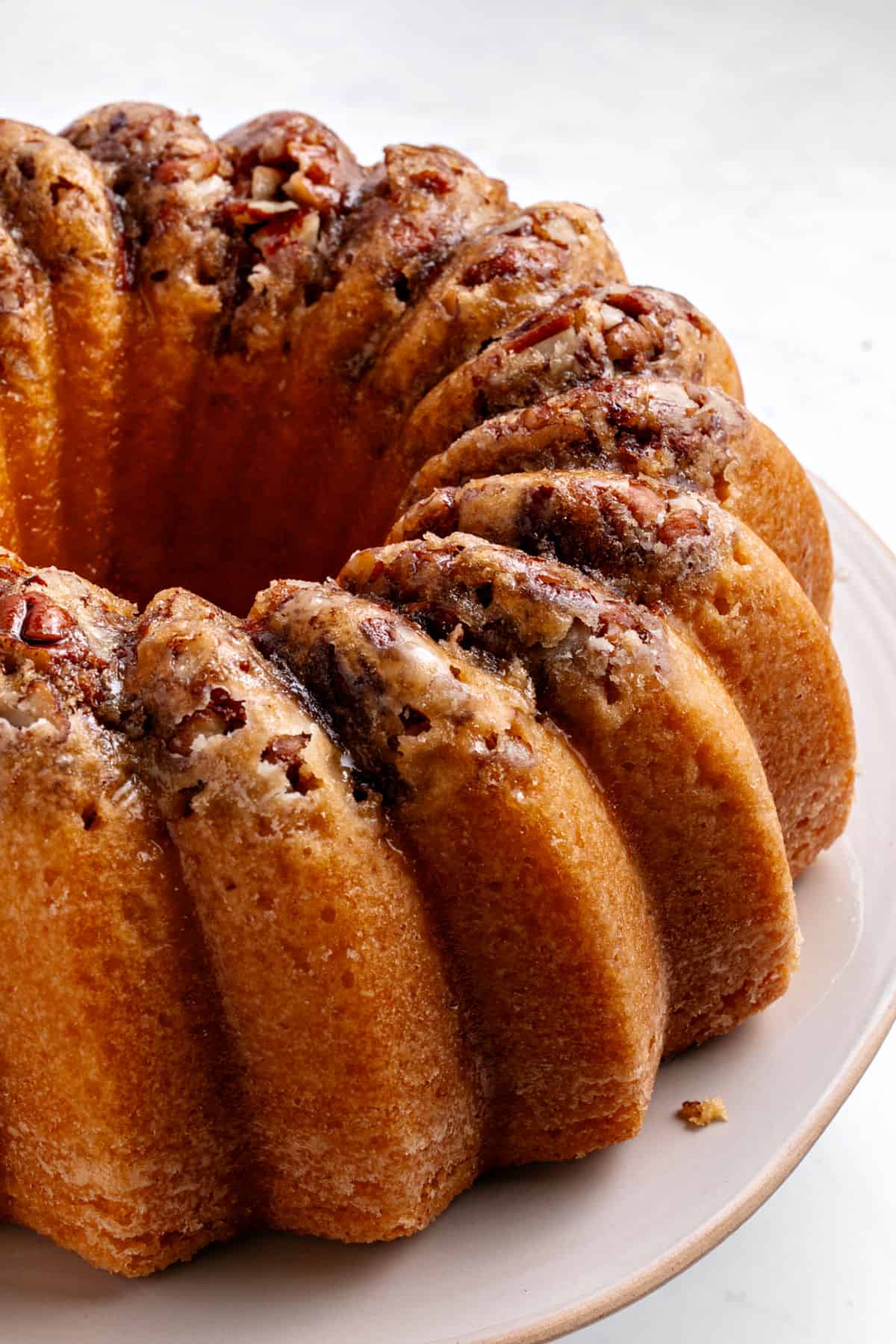
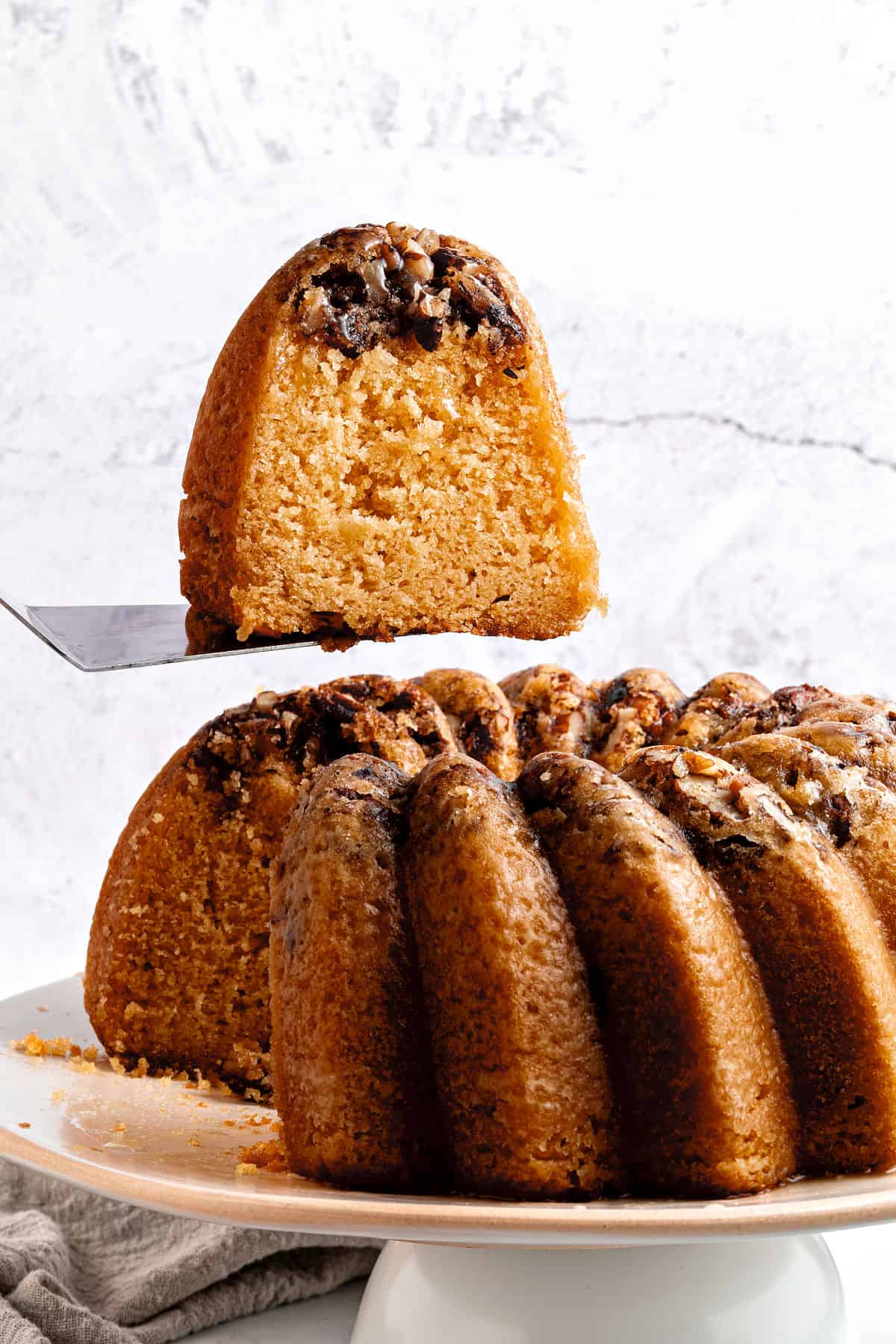
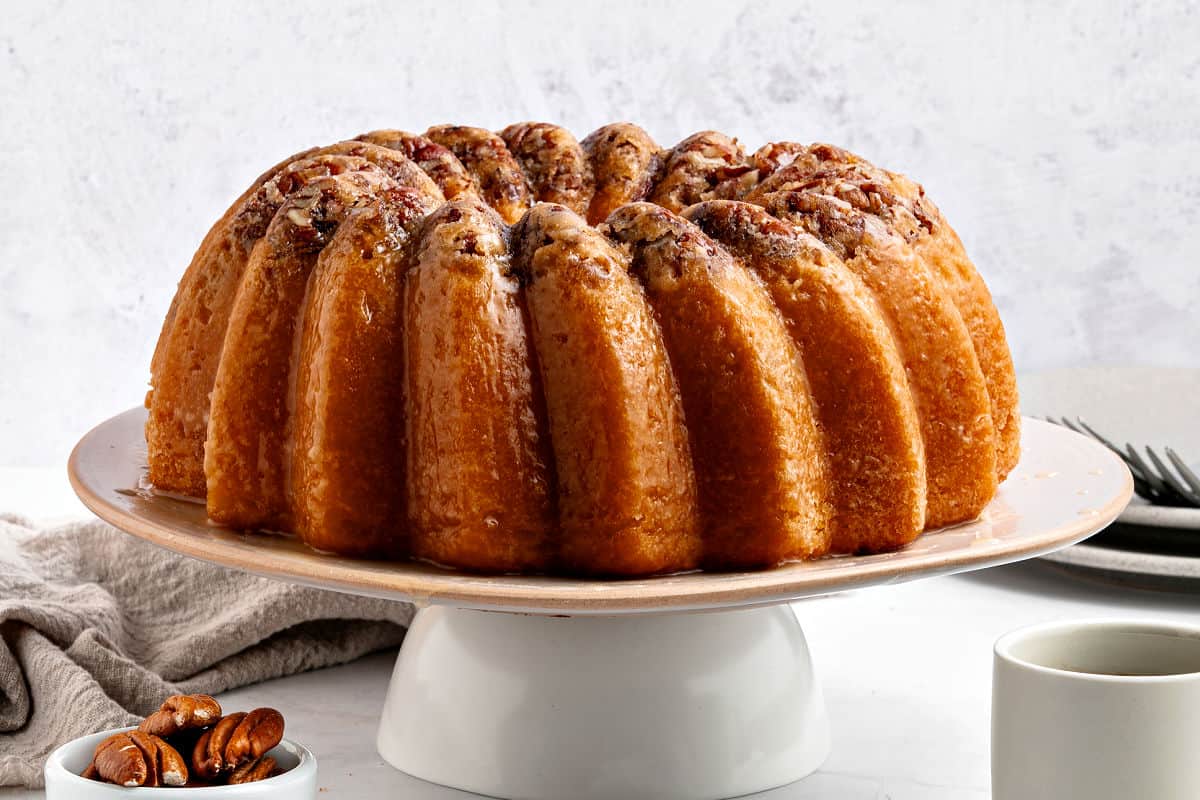
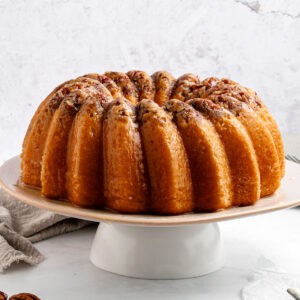
This vintage recipe appeared on Bacardi rum bottles and in magazines and became a hit. There's a melt-in-your-mouth crumb thanks to the instant pudding, a crunchy pecan topping that you'll want more of, and a rum-infused glaze that soaks through the cake, giving it a glossy finish and a sweet, slightly boozy flavor. Truly irresistible.
I give you the original version with cake mix and also the recipe to make it from scratch. Rum cake actually gets better after a day, so I recommend you plan ahead.
SAVE THIS RECIPE
Boozy dessert cake
The Bacardi Rum Cake became famous in the 1970s, and the widely circulated recipe used yellow cake mix and instant pudding, which was very typical of mid- to late 20th-century American baking.
And though I like from-scratch recipes, there are a whole lot of vintage ones that include pantry staples like cake mix, from dump cakes to these popular and quick cake mix cookies. And they're finding their way into the archives.
But I added the variation to make it from scratch (found in the Notes section of the recipe card) because I know a lot of my readers like that route. So choose your favorite depending on how much time you have, or the ingredients you have at home.
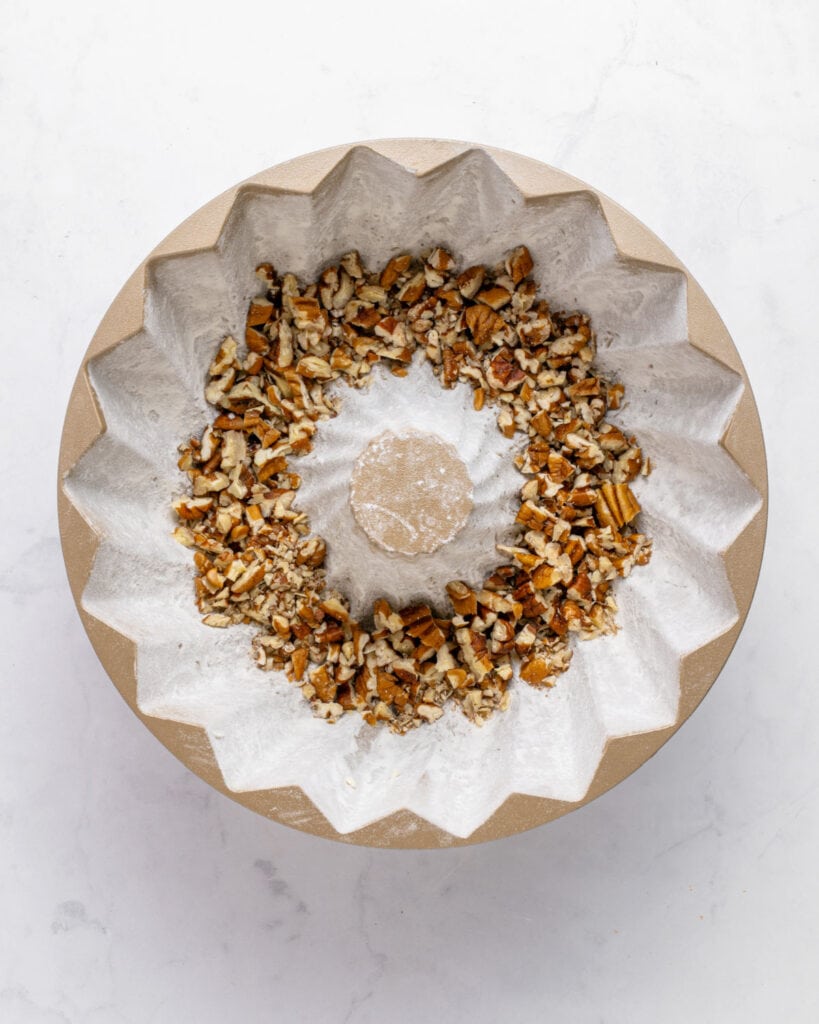
The pecan layer is upside-down magic. You coat the bottom of the bundt pan with chopped pecans before the batter goes in. When the baked cake flips out, those pecans are on top, toasted and slightly caramelized from the pan butter. You can use walnuts or even almonds to get a similar crunchy texture.
Testing Notes
Use dark rum, not light. Light rum is mostly just alcohol with a hint of sugarcane. Dark rum (Bacardi Gold or Bacardi Black both work) brings molasses and caramel notes that actually taste like something in the finished cake. I don't recommend spiced rum, as the extra flavors compete rather than complement.
Don't skip the instant pudding. It locks in moisture, giving the cake its dense, and almost fudgy interior. Without it, you get a noticeably lighter, drier crumb that doesn't hold the glaze the same way. It also helps the cake keep well for a few days at room temperature.
Room temperature ingredients matter. Eggs and butter at room temperature incorporate into the batter much more smoothly and give you a more uniform crumb. Cold eggs can cause the batter to look slightly curdled; it usually bakes out fine, but room temp is better insurance.
Bundt pan size matters. The batter should never fill more than ⅔ to ¾ of the pan's capacity. This recipe is designed for a 10-inch (12-cup) bundt pan. A 9-cup pan will overflow. If all you have is the smaller pan, fill as explained above and bake some muffins on the side with the remaining batter.
The glaze goes on hot. This is the most important step. While the cake is still in the pan, you pour half the warm glaze over the bottom (which is actually the top when flipped). Let it soak for 5 minutes, then invert onto your serving plate and pour the remaining glaze over the top slowly. The warm cake absorbs it. If you wait until the cake cools, the glaze sits on the surface and never fully integrates, and you lose that interior rum flavor.
Generously grease and flour the pan. Sweet rum cakes tend to stick as the ingredients caramelize more than with a regular cake.
Proper cooling is essential. Always use a cooling rack for dense cakes like this; if you don't have one, place the pan on something that allows air flow underneath, like stovetop burners.
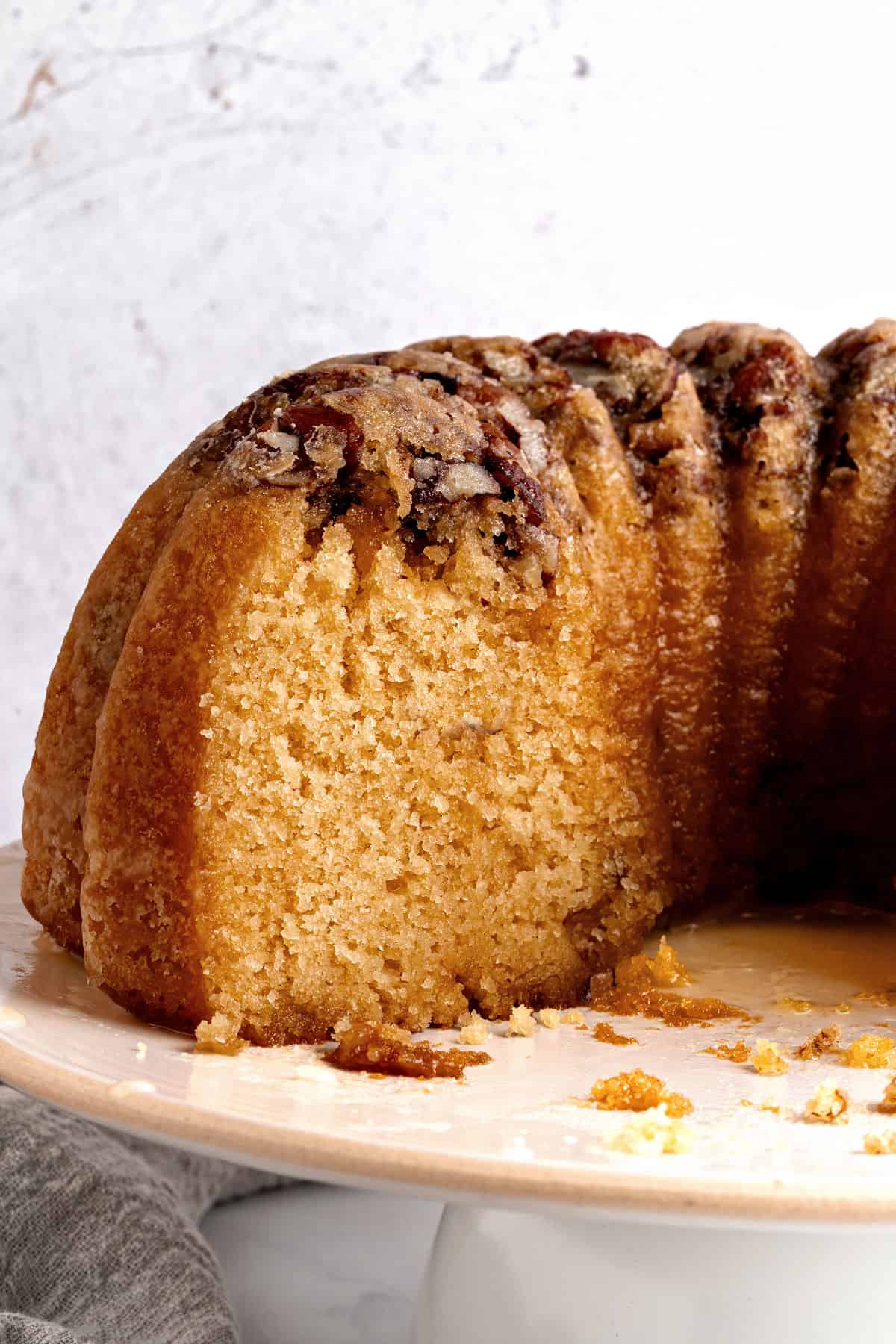
The cake actually improves after the first day as flavors develop and the crumb settles, making it an excellent make-ahead option. Always serve at room temperature for the best flavor experience, as cold temperatures mute the taste. If making it in advance, freeze the whole cake without the glaze, so you don't crush it. Thaw at room temperature and glaze an hour or so before serving.
The cake can sit at room temperature for 2-3 days under a cake dome or loosely covered. Then, it should be refrigerated for up to a week, well wrapped, or frozen, covered first in plastic wrap and then aluminum foil, or in a freezer-safe plastic bag. Thaw at room temperature.
Bundt cake pans I use:
Though I tried numerous ones with different patterns, I now gravitate toward simple pans without intricate patterns. The cakes look plainer but are easier to remove, which is a big plus for me. The Nordic Ware elegant party bundt is my latest favorite, and the classic fluted bundt pan will always have a place in my kitchen.
How to keep a bundt cake from sticking (3 methods)
If you bake bundt cakes often, you've likely had one stick to the pan. It's frustrating, but preventable. Here are three reliable methods:
- Shortening and flour: Coat the pan thoroughly with soft shortening using your fingers or a brush, making sure to reach every corner, including the center tube. Dust with flour, rotating the pan to cover evenly, then tap out the excess over the sink.
- Cake goop (pan-release paste): Mix equal parts shortening, flour, and oil into a paste. Brush it onto the pan. Store leftovers in a jar, 1 month at room temp or up to 3 months in the fridge. This is one of my favorite methods.
- Baking spray with flour: Only use baking spray that includes flour. Regular cooking spray isn't enough and often leads to sticking. I rarely use this anymore.
The recipe matters too: When I find a bundt cake that releases cleanly, even without perfect prep, I hold onto it; it's a keeper.
Process steps
Pecans
Make sure the butter is softened and well integrated with the sugar and eggs. This should take several minutes.
I use a large bowl and an electric mixer, but you can also use a stand mixer with the paddle attachment at medium speed.
Sifting
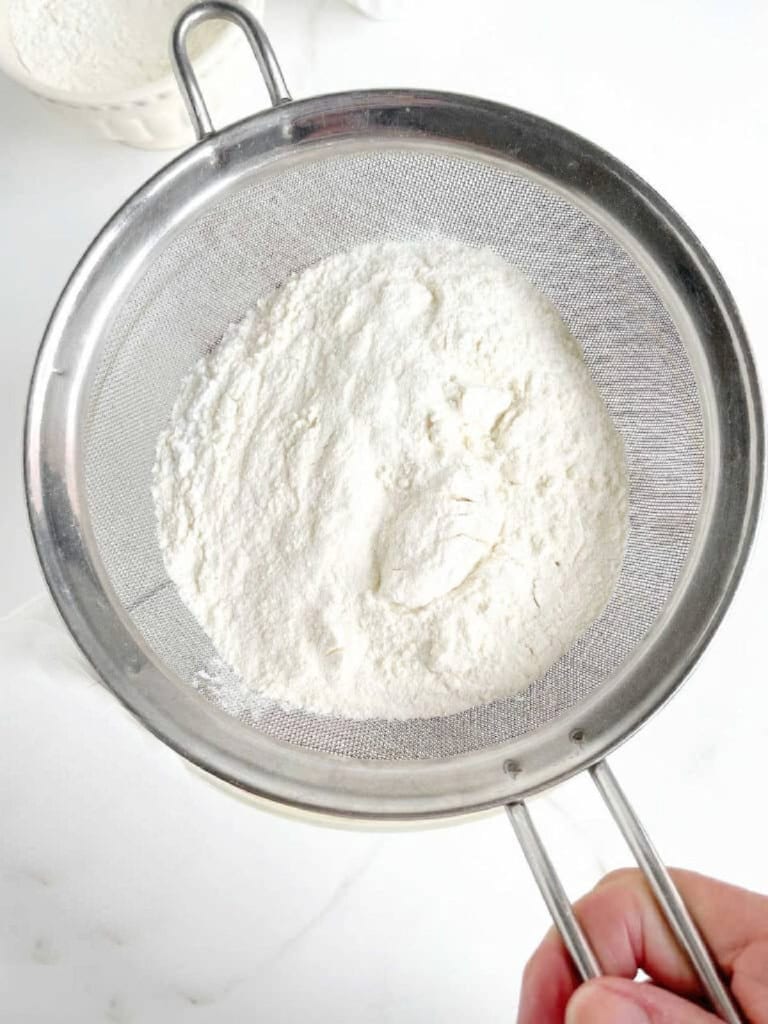
Whether you're using a cake mix or a flour mixture, sift them to avoid impurities or clumped ingredients.
The cake mix has sugar, and some might get caught in the sifter if it's too fine. Simply turn the strainer upside down and drop the sugar that won't go through into the batter.
Ready to bake
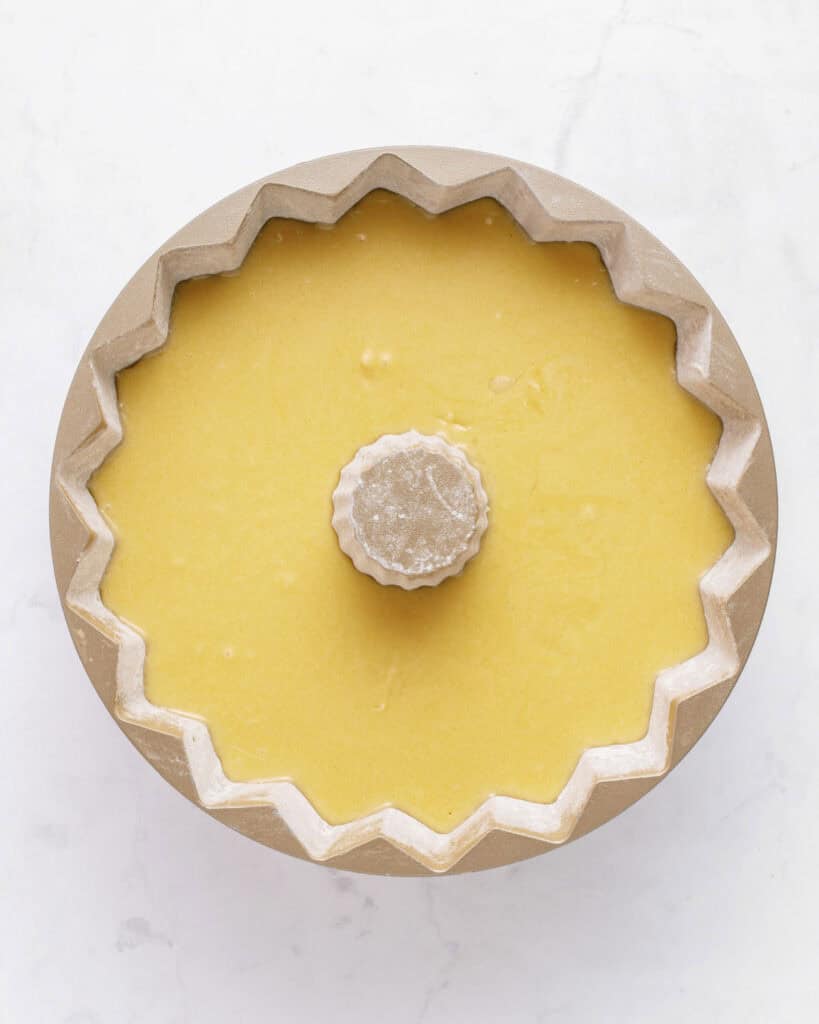
Bundt pans should not be filled more than ¾ of their capacity to avoid overflowing and allow the cake to bake well.
I favor simple patterns as there's less chance of the batter sticking.
Bundt cake baking tips
- Use the right-sized pan: this is important to avoid overflow and for the cake to fully bake in the estimated time. Though there can be variations due to ovens and pan materials, make sure the size is right, and it's not filled more than ¾ of its capacity.
- Cracked top: This is to be expected, so don't think there's something wrong if you're new to bundt cakes.
- Baking times vary between ovens and pans, so use visual cues and cake testers or toothpick tests rather than relying solely on timing. An oven thermometer helps ensure accurate temperature. I use a brochette stick and place it in the middle of the cake. It should come out clean but moist, so a few loose dry crumbs are fine, but no wet crumbs or batter.
- Removing the cake from the pan: let it cool for 15 minutes, put a wire rack or plate covering the pan and carefully flip it over. Be careful, as the cake is still very hot, so the crumb is extra tender! The cake should release easily if the pan is well-greased. When you find a pan and a greasing method that works like a charm for you, don't let it go.
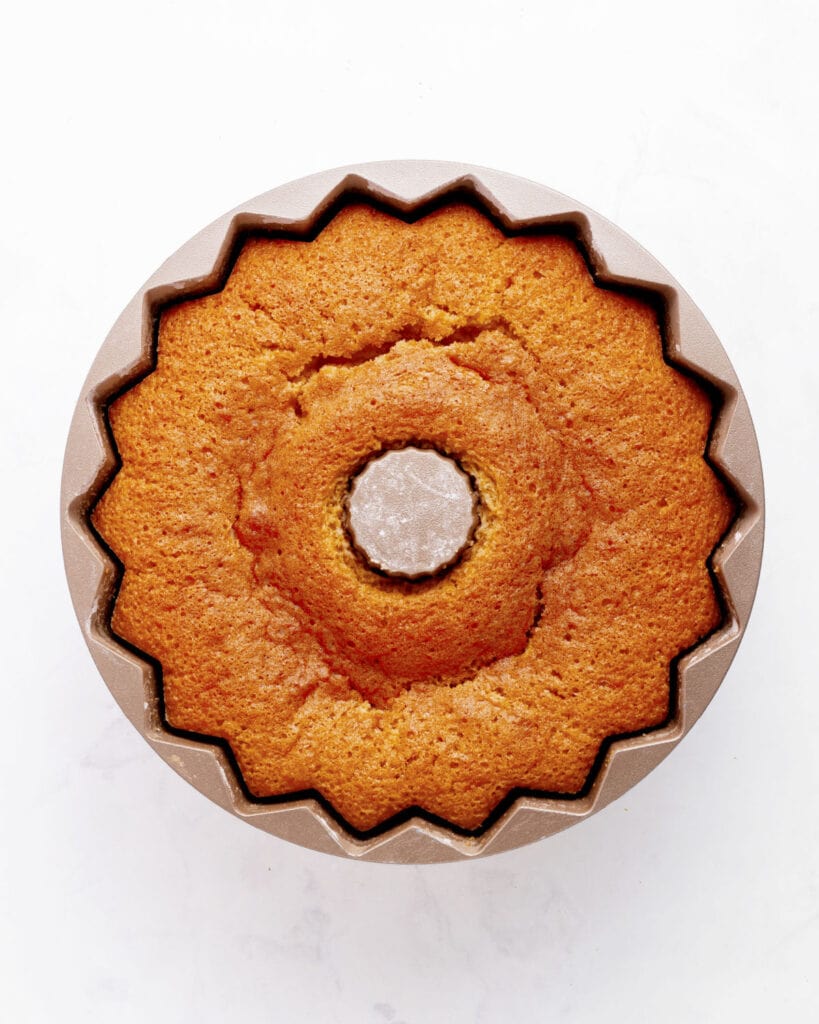
Releasing it from the pan
It will puff and then shrink a little as it cools down.
I wait about 20 minutes to remove it from the pan, but first, I check that the sides and center tube are not sticking (I use a smooth-bladed knife). Then, I flip it carefully as the cake is still tender and warm.
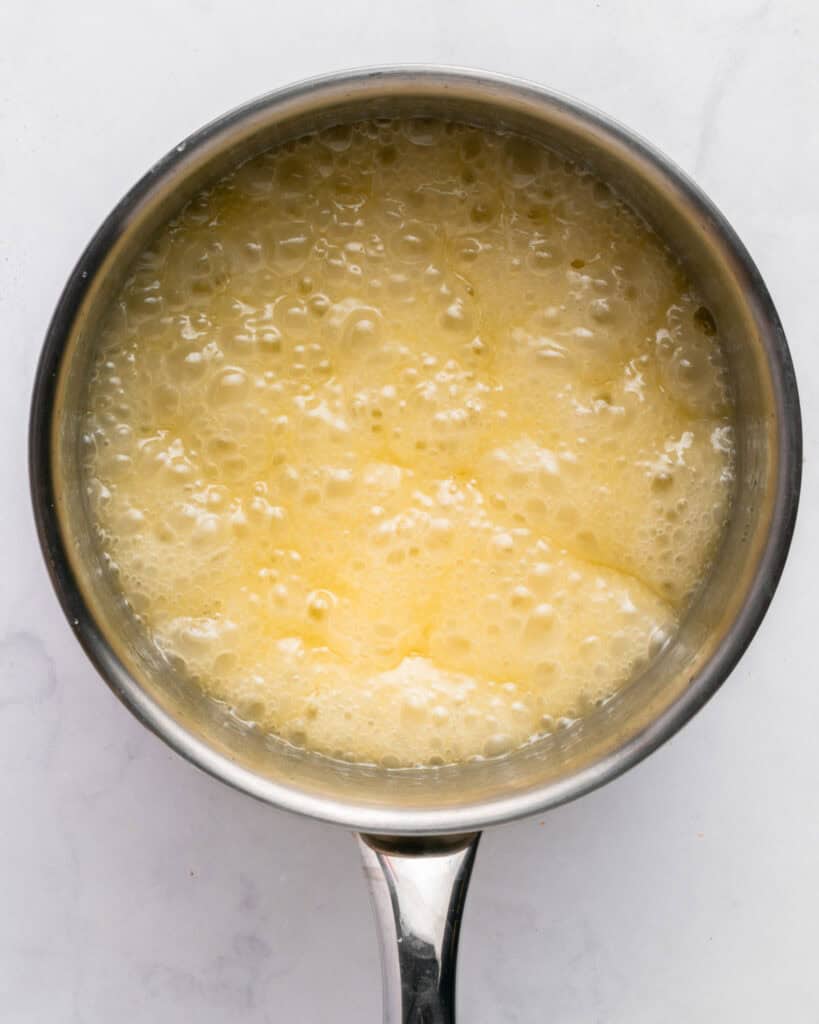
Rum syrup
Bundt pans should not be filled more than ¾ of their capacity to avoid overflowing and allow the cake to bake well.
I favor simple patterns as there's less chance of the batter sticking.
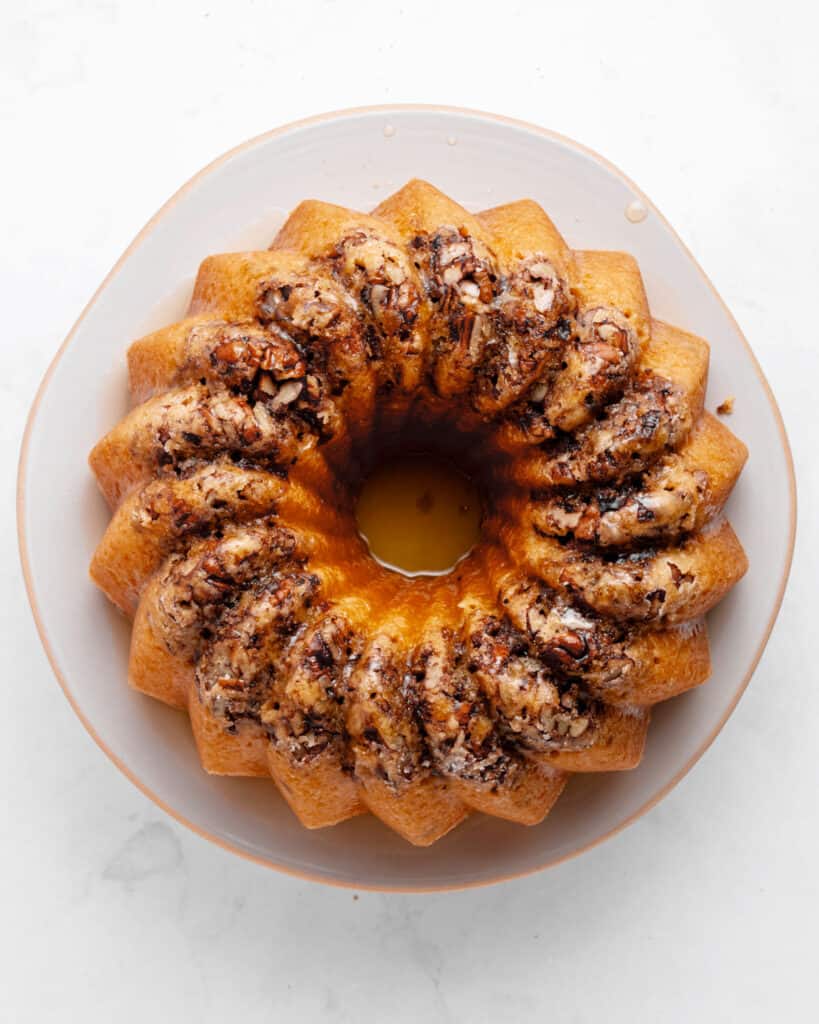
Rum soak
Bundt pans should not be filled more than ¾ of their capacity to avoid overflowing and allow the cake to bake well.
I favor simple patterns as there's less chance of the batter sticking.
Pan sizes
Though this is a bundt cake, it is the type of recipe that can be made in different pans:
- Bundt cake: Use a 10-inch or 12-cup bundt cake pan, also known as a large bundt pan. This recipe also makes about 6 individual bundts, like the coffee chocolate bundt cakes.
- Sheet cake: bake it in a 9x13-inch cake pan and serve it plain or top it with a thin layer of orange-flavored cream cheese frosting.
- Loaf cake: one recipe yields 2 medium loaf pans. For a smaller cake, halve the recipe and make 1 loaf.
As an Amazon Associate, I earn from qualifying purchases. Read my disclosure policy.
Rum Cake Recipe (cake mix and butter glaze)
Ingredients
Fro the rum cake:
- 1 cup pecans, chopped
- 15.25 ounce box of yellow cake mix
- ¼ cup all-purpose flour
- 2 tablespoons sugar
- 3 ¾ ounce package instant vanilla pudding mix
- 4 eggs, at room temperature
- ½ cup cold water
- ½ cup vegetable oil, such as sunflower oil or canola oil
- ½ cup Bacardi dark rum
Rum glaze:
- ¼ cup butter
- ¼ cup water
- 1 cup granulated sugar
- ½ cup Bacardi dark rum
Instructions
- Preheat oven to 350° F (180°C).
Make the rum bundt cake:
- Very generously grease (I use shortening) a 10-inch or 12-cup bundt pan. Flour it, shaking off excess.
- Sprinkle 1 cup pecans, chopped, on the bottom of the pan and set aside.
- In a large bowl, mix 15.25 ounce box of yellow cake mix, ¼ cup all-purpose flour, 2 tablespoons sugar, 3 ¾ ounce package instant vanilla pudding mix, 4 eggs, ½ cup cold water, ½ cup vegetable oil, and ½ cup Bacardi dark rum and beat until well incorporated with an electric mixer.
- Pour the cake batter over the nuts.
- Bake in the preheated oven for about 1 hour or until a cake tester or toothpick comes out clean, or with a few moist crumbs. The top should feel set, not jiggly. It's an estimated time; it might take more or less, depending on your oven and the type of pan you use.
- Allow the cake to cool in the pan for 15 minutes on a wire rack, then carefully invert onto a serving plate to cool for another 15 minutes while you prepare the glaze.
Make the rum soak or glaze:
- Melt ¼ cup butter in a small saucepan over medium heat.
- Stir in ¼ cup water and 1 cup granulated sugar. Boil the mixture for 5 minutes, stirring constantly. Remove from the heat and stir in ½ cup Bacardi dark rum.
- Prick the top of the cake with a skewer or cake tester many, many times. Try not to disrupt the pecans.
- Drizzle and smooth the glaze evenly over the top and sides of the cake. Allow the cake to absorb the glaze and repeat until the glaze is used up.

steph says
oh my gosh- I definitely remember this from when I was a kid. so good!!