


This recipe comes together with just 5 pantry staples and delivers that melt-in-your-mouth, buttery crumb every single time. These lemon-glazed shortbread cookies are tender and lightly crisp around the golden edges. Each one is drizzled with a zesty powdered sugar glaze that is not to be omitted. The unbaked dough can be frozen for a month, and the baked cookies keep well for a week.
If you prefer a no-rolling, press-in-the-pan version, my classic old-fashioned lemon shortbread skips the individual cut cookies altogether.

SAVE THIS RECIPE
These cookies are a spin on my popular lemon shortbread recipe: a similar buttery base with a different ratio of ingredients, but rolled and cut into crisp cookies that snap when you bite them.
Powdered sugar in the dough gives them that melt-in-your-mouth texture, while the lemon adds just enough brightness to balance the butter and sugar.
Lemon glaze: Two minutes to make, and it adds a tangy-sweet flavor.
Make ahead: Freeze the dough for up to a month or store baked cookies for a week in an airtight tin.
Is it similar to a butter cookie? While they use similar ingredients, the main difference is in the amount of each one. Shortbread tends to have less sugar in relation to butter, and sugar cookie recipes most of the time include an egg.
Testing Notes
Softened butter: It's essential to have it at the right temperature so it mixes well with the rest of the ingredients. Soft or room temperature does not mean melted or almost melted. The butter should be soft but rather cool and not too shiny on the brink of melting.
Creaming matters: The butter and sugar mixture should be light and smooth, which helps the cookies hold their shape and gives that tender, melt-in-your-mouth bite. But be careful not to overmix them, or you'll make it too airy and crumbly. Use a spatula and some patience as the dry ingredients integrate.
Chill for best results: Refrigerating the shortbread dough is essential for preventing spreading and keeping edges neat. I like making the dough a day ahead so it's fully rested and easier to roll.
Roll to an even thickness. Between ⅛ and ¼ inch (3-6 mm) is ideal for dainty, glazed cookies with a crisp snap. Too thick and the centers may stay soft; too thin and they can be fragile and brittle.
Baking shortbread cookies: The oven should be medium/low (around 325°F or 160°C) for even cooking and a pale golden finish. If the oven is too hot, the tops brown before the inside dries out.
Handle gently: Overworked dough makes these cookies tough instead of tender. Mix just until combined, chill (important!), then roll and cut quickly.

Ingredients
Quantities are listed in the recipe card toward the end of this post. The Ingredients page has more details and lists the brands I use.
- Fresh lemon juice and freshly grated lemon zest are key to the flavor of these easy shortbread cookies.
- Powdered sugar: it's essential for that delicate, melting quality. Also called confectioners' or icing sugar, depending on where you live.
Variations & substitutions
- Add other flavors: Swap lemon for orange or lime zest, add a few drops of vanilla extract, or spices like cinnamon or cardamom, or dip one side in chocolate for a holiday touch, as we do with the coconut shortbread.
- Glaze: Change the liquid, and you add another flavor to these cookies. Use fruit juices like orange, apple, cranberry and raspberry. Or use a strawberry glaze.
- Add an herb: rosemary, lavender, and thyme go well with this lemon cookie dough. Start with a small amount and see how strong you like it.
Organization: read the recipe first and ensure you have ingredients at the correct temperature, the utensils and equipment needed, and enough workspace. Also, it needs chilling time, so plan accordingly. This will make the process so much easier.
Use a bowl and a spatula (like I do) or an electric mixer. You can use a stand mixer, but I only recommend it if you're doubling or tripling the recipe.
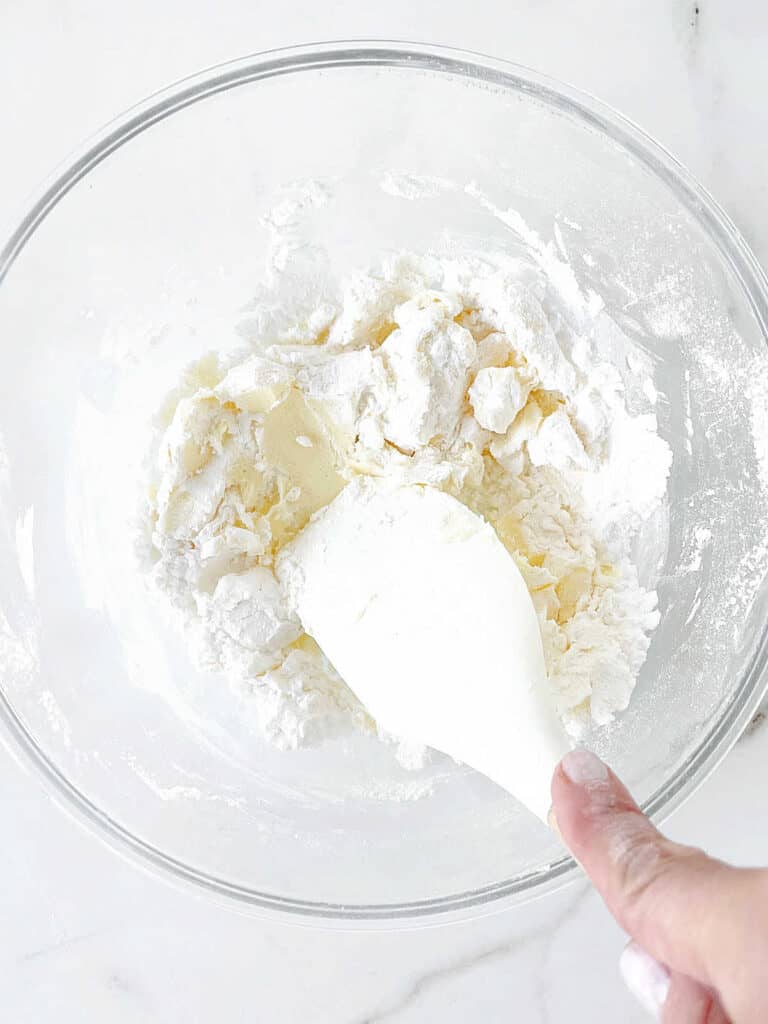
Mixing the dough
Creaming: Make sure the butter and sugar are well integrated. To achieve this more easily, sift the confectioners' sugar before adding it so you remove any lumps that may have formed. If using a spatula, you'll have to scrape or slide both ingredients until they're well incorporated and no sugar spots remain.
Paula's tip
Adding the flour: integrate well, but don't overbeat or overwork the dough. It might feel like there's too much flour, but keep at it. I like to make it by hand because there's little chance of overworking it. If using an electric mixer, use the lowest speed when incorporating the flour.
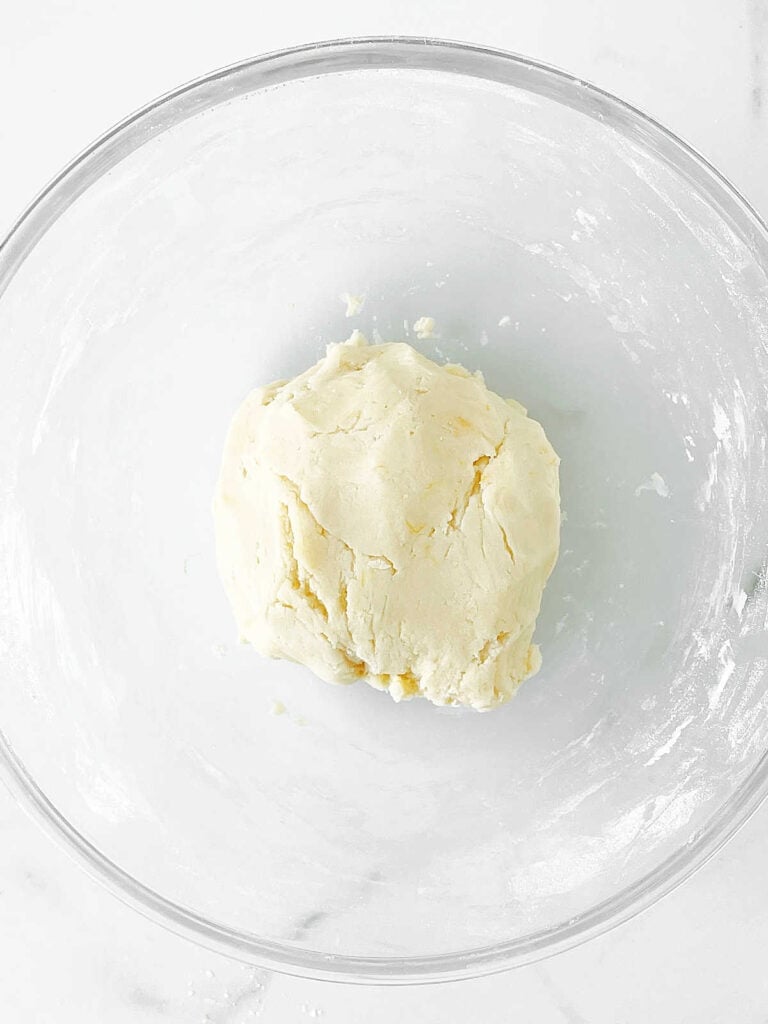
Final dough
The lemon dough is soft and firm but supple. Don't be tempted to knead it or mix it much until it's completely smooth, as that might lead to tougher cookies.
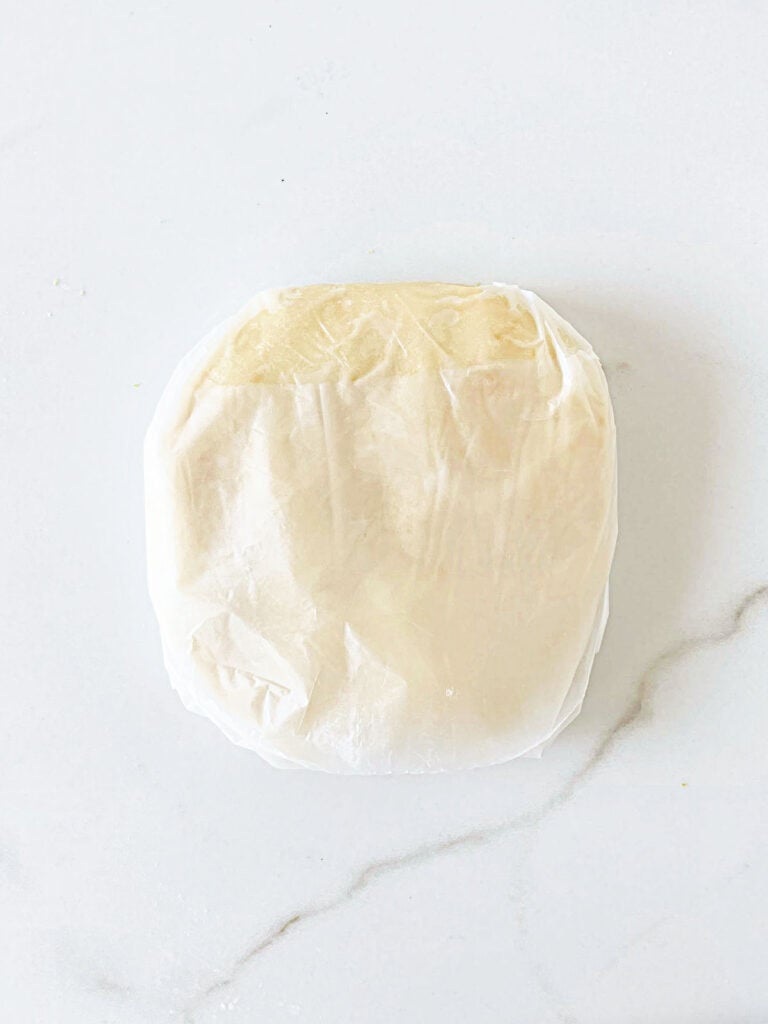
Resting the dough
After the dough has come together and no dry spots remain, wrap it in plastic wrap to avoid dryness (or use freezer sheets as I do), and refrigerate for at least 1 hour and up to 3 days.
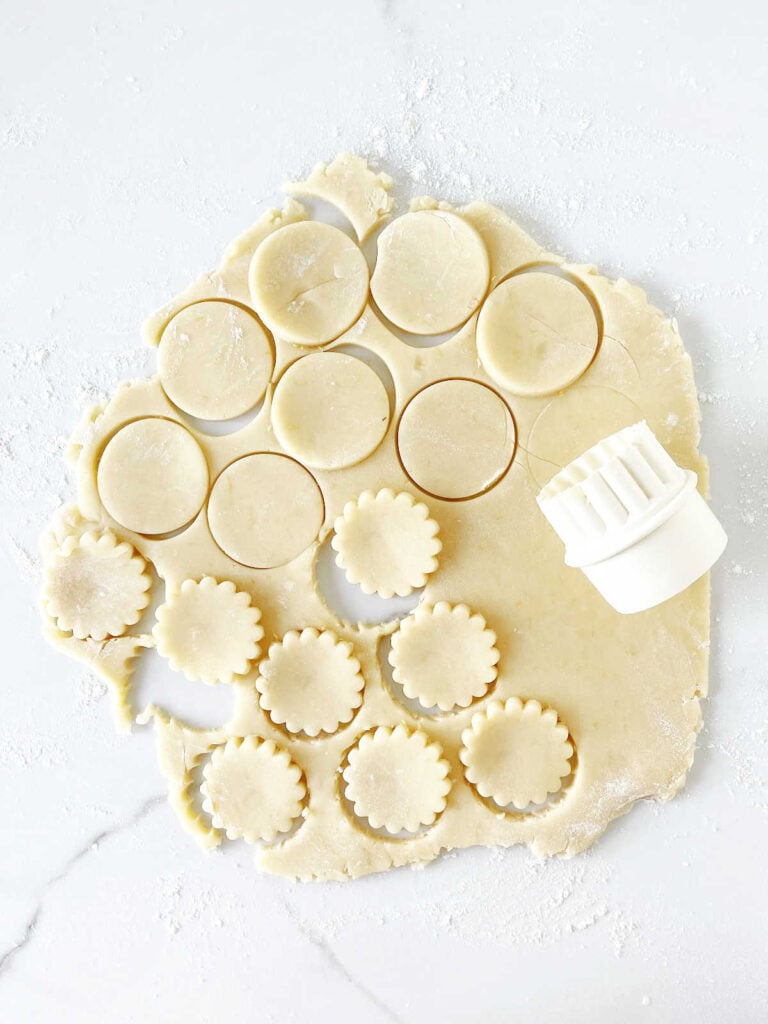
Rolling and cutting
Always start with a cold dough and a lightly floured surface. Only sprinkle a little extra flour if needed. It's a soft dough that shouldn't stick to the working surface and is easy to roll.
Gather dough scraps, roll and cut: do this quickly. If too soft, return them to the fridge until firm again (always wrapped).
How thick should you roll the cookie dough? I recommend around ¼ inch, no more than that.
Paula's tip
Cold dough: if you took too long to roll and cut and the dough lost too much temperature, or you have something else in the oven, put the baking sheet in the refrigerator while you wait. Put cold shortbread cookies into a preheated oven; that's what you want to do.
In theory, you can cut these cookies in any shape you want. But I'd stay away from very intricate ones, as they might not hold well in the oven. But you can try with a few and see how it goes.
I use cookie cutters with clean geometric forms (circles or rectangles) or that have a simple flower pattern.
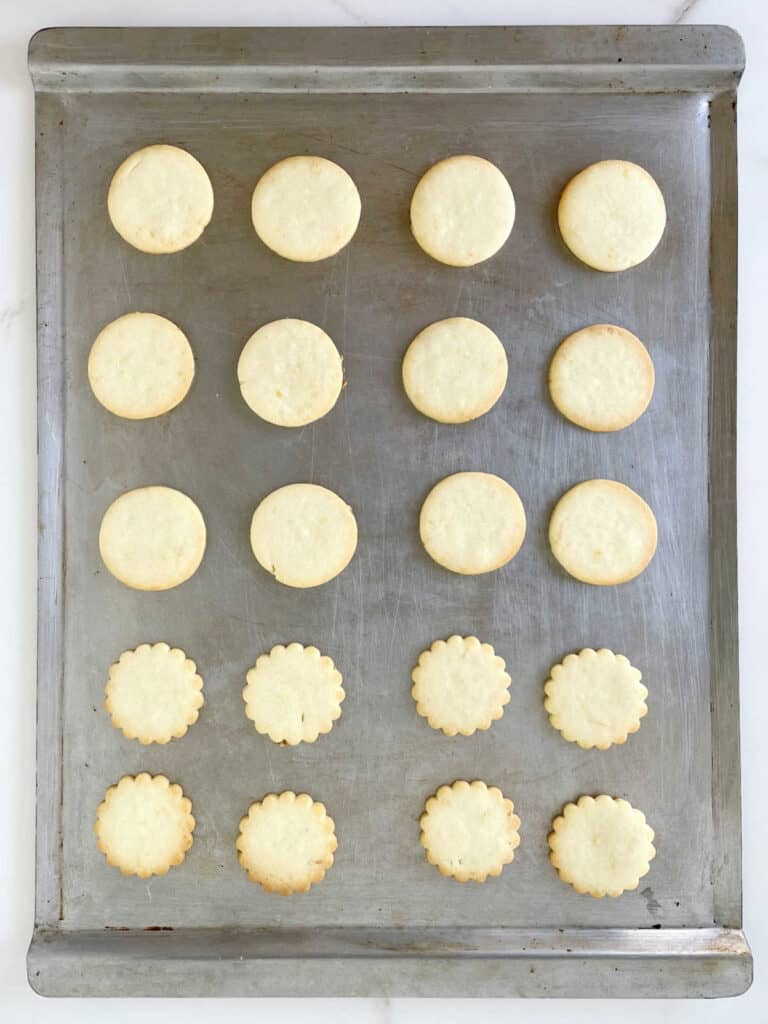
Baking shortbread cookies
Grease the pan or use parchment paper. Some newer non-stick cookie sheets might not need it.
You must bake them at the temperature stated in the instructions, which is slightly lower than that of regular cookies. It will give you the best results.
Keep an eye on them: they bake quickly, so don't put them in the oven and go do something else without setting a timer. Mine usually takes no more than 10 minutes.
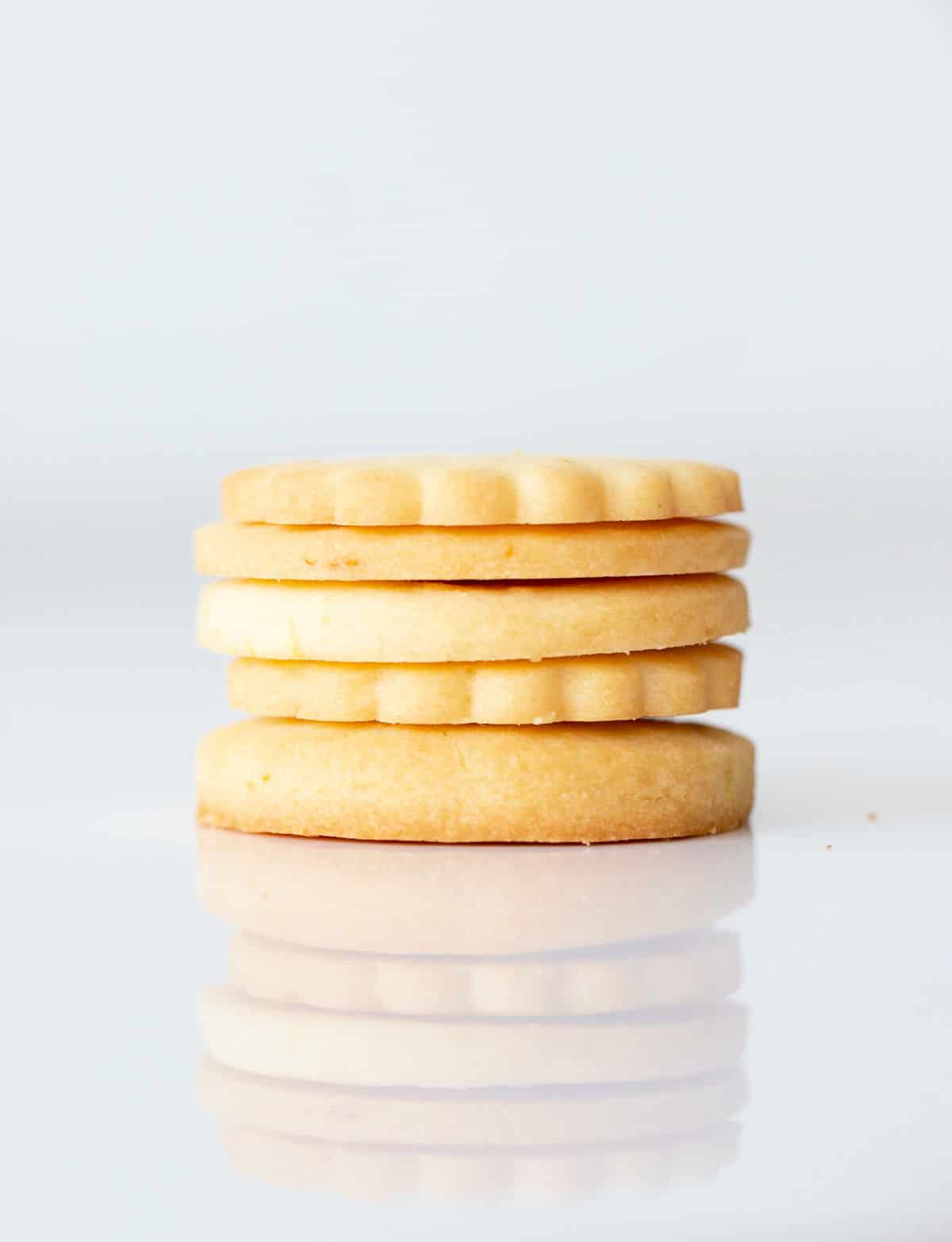
Cooling, storage, and make-ahead
To keep the cookies crisp, let them cool completely on a wire rack, then store in a metal tin (my favorite) or glass jar with a tight lid, and don't store with soft cookies (moisture transfers). I like to avoid a plastic airtight container, but that's me.
The dough and the unbaked, cut cookie rounds freeze well for up to a month; thaw the dough in the fridge 1 or 2 days before, so it's cold but pliable when you roll. Bake the frozen cookies straight without thawing with 1-2 extra minutes of baking time.
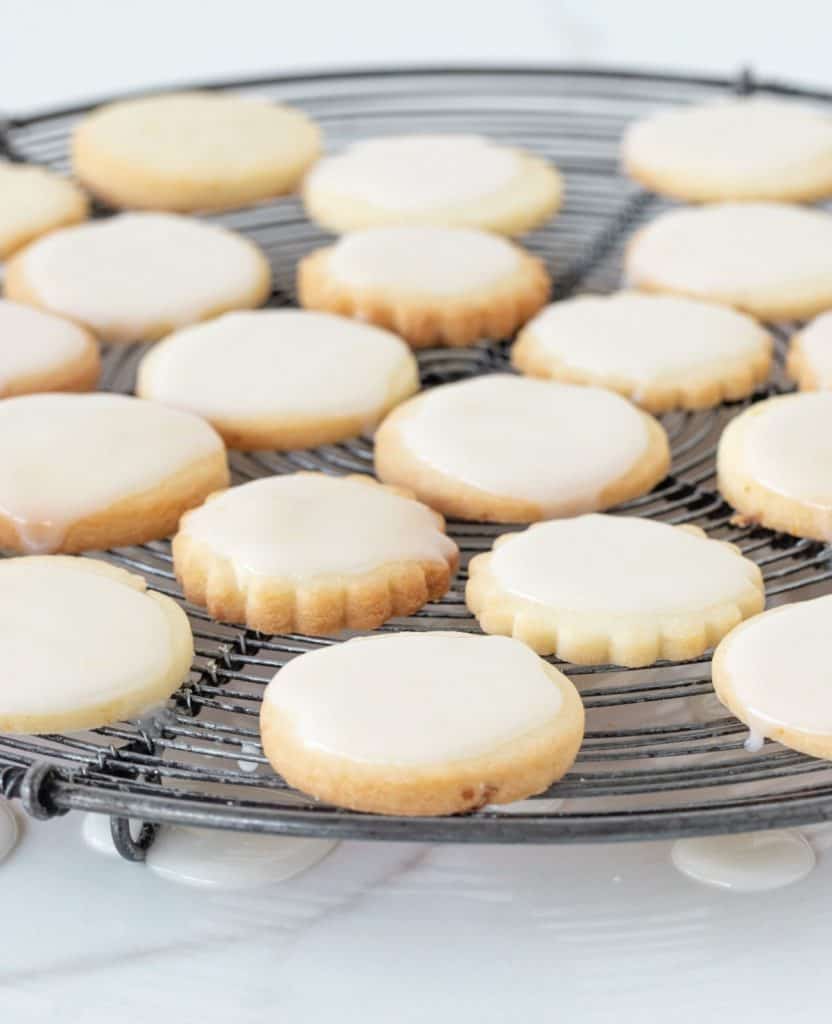
Lemon glaze
A 2-ingredient powdered sugar glaze (or icing) is all you need.
How thin or thick should it be? For these cookies, I like a thin drizzle of glaze that will drip after it's poured, creating a rather delicate coating. We want the cookies to shine and not be smothered by too much sweetness.
Lemon zest: Grating fresh zest on the wet glaze will add flavor and be visually appealing.

As an Amazon Associate, I earn from qualifying purchases. Read my disclosure policy.
Lemon Shortbread Cookies (5 ingredients)
Ingredients
For the cookies:
- ½ cup unsalted butter, softened
- ½ cup powdered sugar
- 1 ¼ cups all-purpose flour, cake flour also works
- 2 tablespoons lemon zest
- 1 tablespoon lemon juice
- pinch of salt
For the glaze:
- 1 cup powdered sugar
- 2 to 3 tablespoons lemon juice
- extra lemon zest, to decorate
Instructions
- Use a bowl and spatula, an electric beater, or a stand mixer. If using the last two, make sure you beat at the lowest speed.
For the cookies:
- Mix ½ cup unsalted butter, at room temperature, with ½ cup powdered sugar in a large bowl.
- Add 2 tablespoons lemon zest and 1 tablespoon lemon juice. Mix well.
- Add 1 ¼ cups all-purpose flour and a pinch of salt. Do it in 2 parts, partially mixing the first before adding the second part. This will help integrate everything better. Don't overmix at this point. We don't want to overwork the dough after the flour is added, as it will make the cookies tough.
- The final cookie dough is soft, pliable, and smooth. Wrap in plastic wrap or freezer sheets and refrigerate for at least 1 hour or up to 3 days.
- Preheat the oven to 325°F (165°C).
- Have a buttered baking sheet ready. Or line it with parchment paper.
- Roll the cold dough on a lightly floured surface. If too cold, wait 15 minutes and see how it goes. Don't let it come to room temperature or anything like it; it should be cold but able to be rolled.
- As you roll, make ¼ turns and make sure it's not sticking to the surface. You can also turn it over once during rolling. Roll it between ⅛ and ¼ inch thick.
- Cut shapes with your chosen cookie cutter or cutters and place on the prepared cookie sheet, leaving an inch or so between them.
- Bake cookies for 10 minutes, turning the sheet from front to back at mid-baking. Watch closely after 6-7 minutes, as these cookies bake quickly. They should be dry and barely colored.
- Let cool completely on a wire cooling rack before glazing.
For the glaze:
- Mix 1 cup powdered sugar with 1 ½ tablespoons lemon juice until well mixed. If necessary, add the remaining ½ tablespoons lemon juice, a teaspoon at a time (you might not use it all), until it's as thin as maple syrup and completely smooth.
- Put the cookies on a wire rack on a clean surface, like the kitchen counter.
- Drizzle the glaze over the cookies and let it drip down. You can collect the drips before they dry and use them again.
- Sprinkle with some extra lemon zest if you want, let the glaze dry, and eat.
- Baked cookies, before glazing, keep in a metal tin or tight cookie jar for a week or more.

Binnie says
These cookies look amazing! what size cutters should I use?
Paula Montenegro says
Hi Binnie, I use small ones, about 1 1/2 inches.
Kim says
Making this for a church event and doubling the recipe. Made a trial batch last week and everyone that tried them loved them! This recipe is a keeper!
Sonia says
These look delicious! I am wanting to decorate them with fondant. Do these cookies spread?
Paula Montenegro says
Hi Sonia, no they don't. They keep their shape.
Muriel says
Ces petits biscuits sont mes préférés !
Paula Montenegro says
Je suis si heureux d'entendre ça Muriel!
John / Kitchen Riffs says
I love lemon. LOVE it! You might say I'm a lemon freak. Or maybe just a freak? 🙂 Anyway, these look delightful -- shortbread is good stuff. Thanks!
Paula Montenegro says
Completely agree with you on both lemon and shortbread John!
Maca says
I made these and they were fantastic! And even better the next day, with more lemon flavor. I might add some walnuts next time. Thank you for this recipe Paula!
Paula Montenegro says
Thanks Maca for your review! Yes, I also think they have more lemon flavor the next day. Enjoy your week.
angiesrecipes says
Sweet, buttery and tangy...I would love a dozen of these cookies for my tea now 🙂